Advancing Knowledge. Creating Solutions.

From Knowledge to Application

Research With Lasting Impact

New findings realize their value when they become useful in practice. We therefore turn methods from research and development into tools for planning, assessing, and operating complex energy systems. Models, data, and software become practical applications for industry and infrastructure.

EA Systems Dresden GmbH

The Development of EA Systems

  1. New Products and AI for Engineering Practice

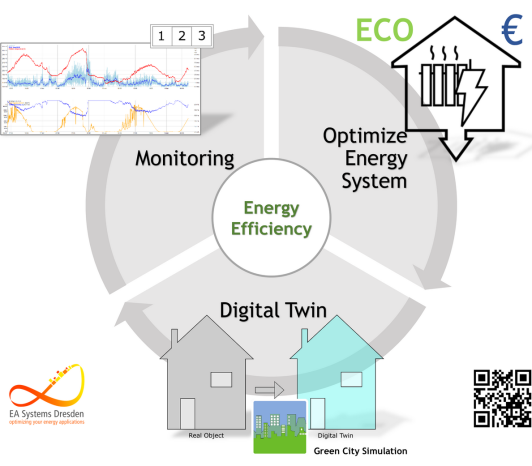
    Extensive research and pilot applications lead to new products: OPoS, the Optimal Power Scheduler, and EnergieWatchdog. At the same time, agentic AI is changing our work, from analyzing plans, programming, and creating models to everyday tasks. We develop AI skills, workflows, and sandboxes for our industry, for example in eeCheck, DigiTwinPlan and contract research for industry. AI experiments become useful engineering applications.
  2. From Individual Tools to a Product Portfolio

    Our portfolio of simulation libraries and associated tools is growing, including the BlueEnergy Simulation Library, Indoor Air Control, District Heating Grids, and H₂. Individual tools and solutions develop into a product portfolio for rapid development cycles. Technical monitoring is also growing strongly as a business area in its own right. Work that began long ago with Bayesian methods, neural networks, and other machine learning methods reaches a new stage with large language models.

  3. We Are Growing

    Our team grows by one or two new colleagues each year. We also work on digital twins and virtual experiments, including for Wolf Energetik's Feredox process. We take on more industrial projects involving process heat recovery. Our charging station platform is evolving too: it controls the Elektrant SMART-ID alongside railway tracks.

  4. New Challenges

    Use it or lose it. Alongside incremental improvements to our tools, we tackle exciting new challenges such as integrating machine learning and standardized exchange formats like BIM into our simulation and monitoring platforms.

    New challenges at EA Systems Dresden

    EasyCharge2 components are used in a growing number of charging infrastructure systems.

    From one day to the next, everyone works from home. Preparation and an agile team enable us to continue our clients' projects without delays.

  5. A Broad Portfolio of Solutions

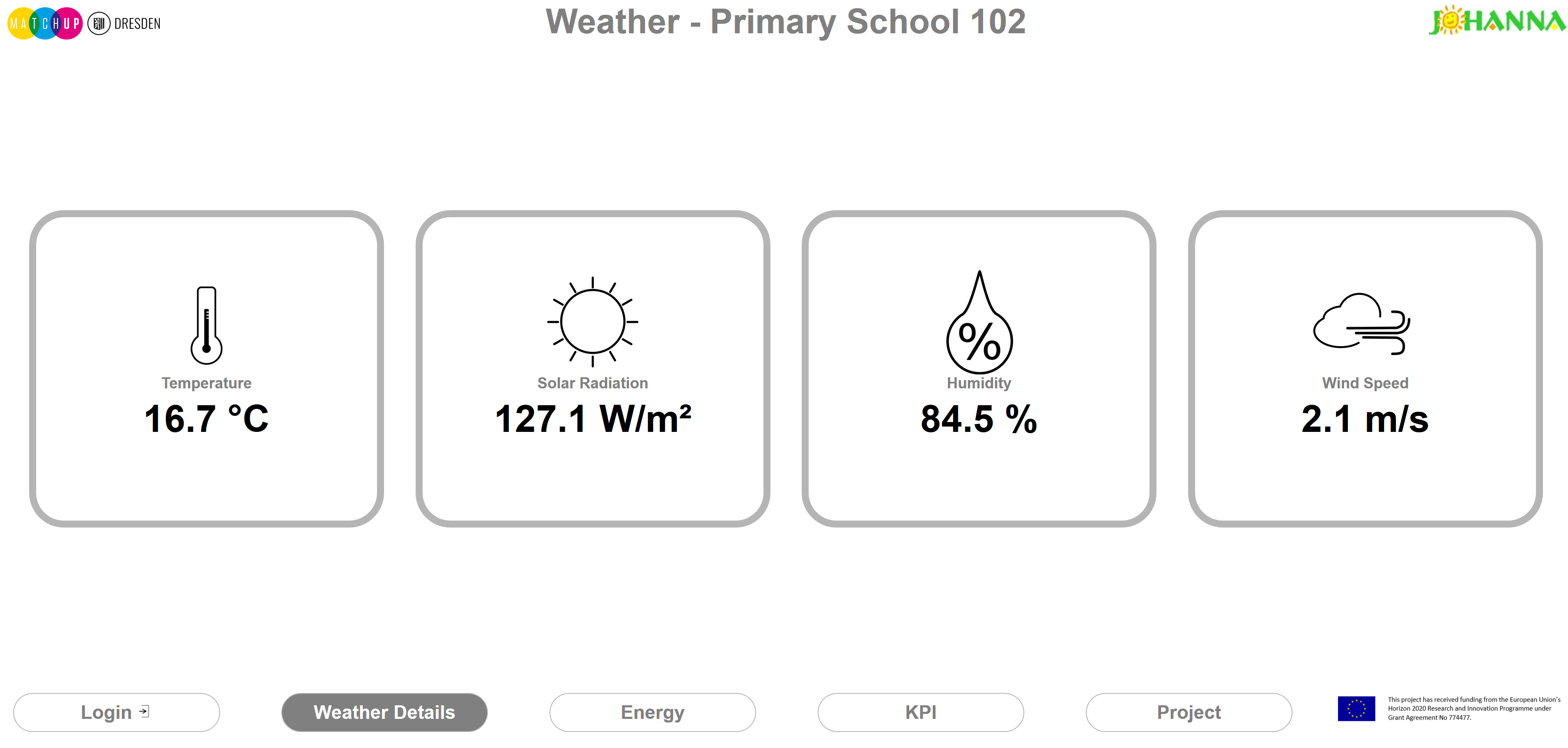
    From the central heating plant, the next step is the local and district heating network. The Heating Grid Library introduces a new tool for heating and cooling networks. The MATCHUP project launches in Dresden.

    MATCHUP project in Dresden

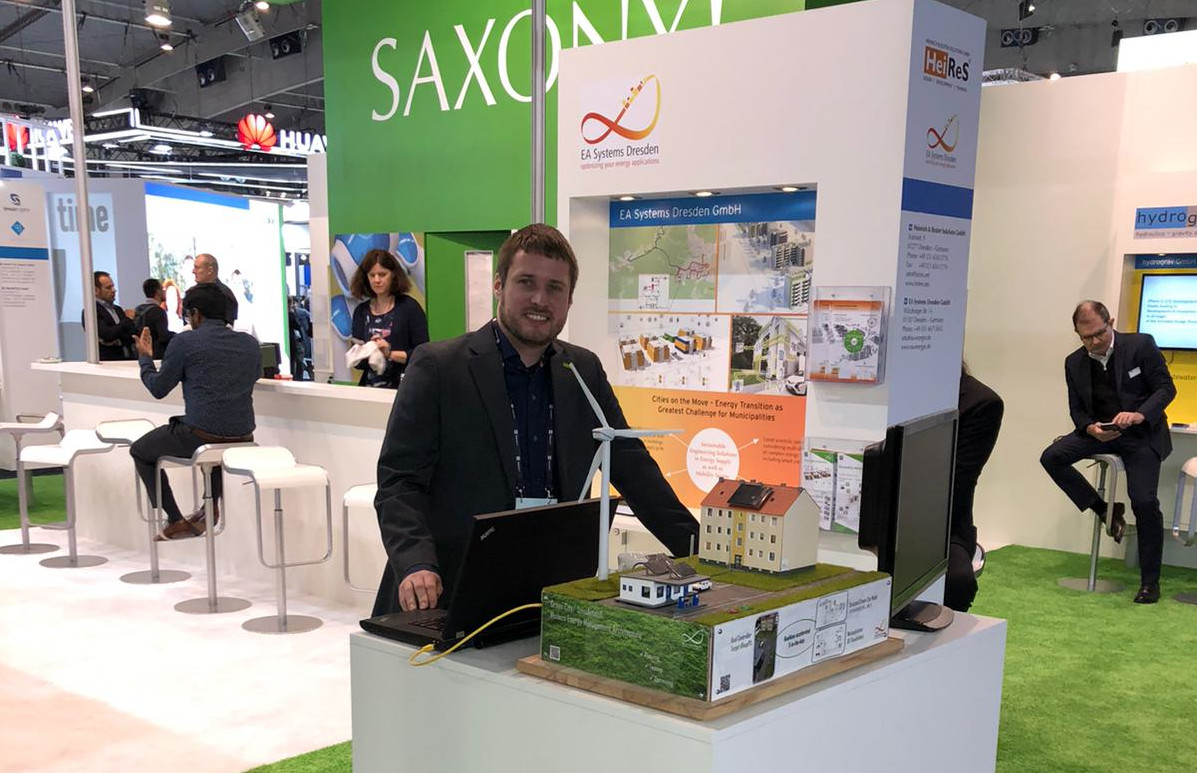
    At the end of 2019, we have the opportunity to present our simulation technologies at the Smart City Expo World Congress 2019 in Barcelona.

    Smart City Expo World Congress 2019 in Barcelona

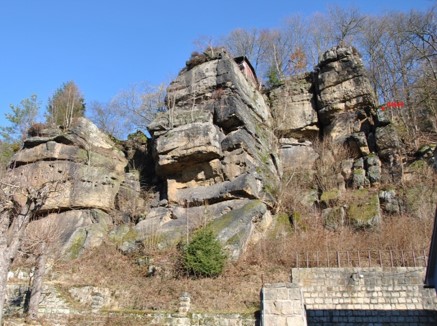
    The first AarteLink installations in Germany begin operating in the Kirnitzsch Valley and Schmilka, monitoring rock movements in the Elbe Sandstone Mountains.

    AarteLink installation in the Elbe Sandstone Mountains

    Alongside the web monitor for the new AarteLink geohazard warning system, EASD develops the new Phokus IoT management platform for Photon AG, a long-standing client.

  6. Measuring and Simulating Electromobility

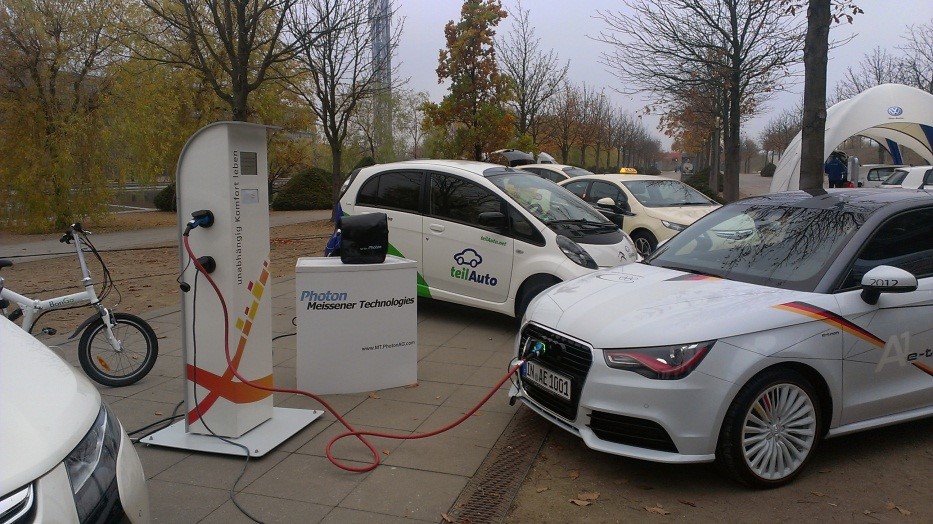
    A growing number of demonstration projects bring electromobility to more locations. EASD supports various pilot projects with simulation technology and software. Charging controlled by renewable energy availability, a flexible user interface, detailed measurement of charging processes and their effects on the grid: the new easyCharge 2 platform makes it possible.

    EA Systems Dresden electromobility project

    As a partner of Switzerland's Aartesys AG, EASD develops the web monitor for the new AarteLink geohazard warning system.

  7. EA Systems Dresden GmbH Takes Off

    EASD focuses on developing the latest simulation technology, consulting services, and software for energy monitoring and electromobility for industrial and municipal clients.

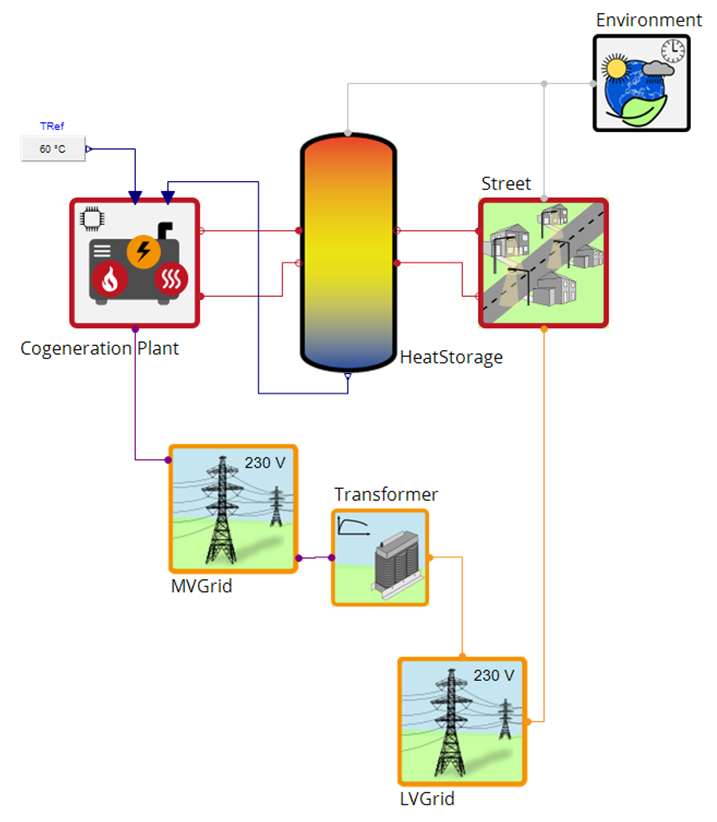
    For the first time, district energy concepts in Lohmen and Oberhof are developed using validated performance indicators from simulation studies.

    Green Building model

    Under the Green Building Library brand, the new energy system simulation technology becomes available worldwide through our partner ESI ITI GmbH.

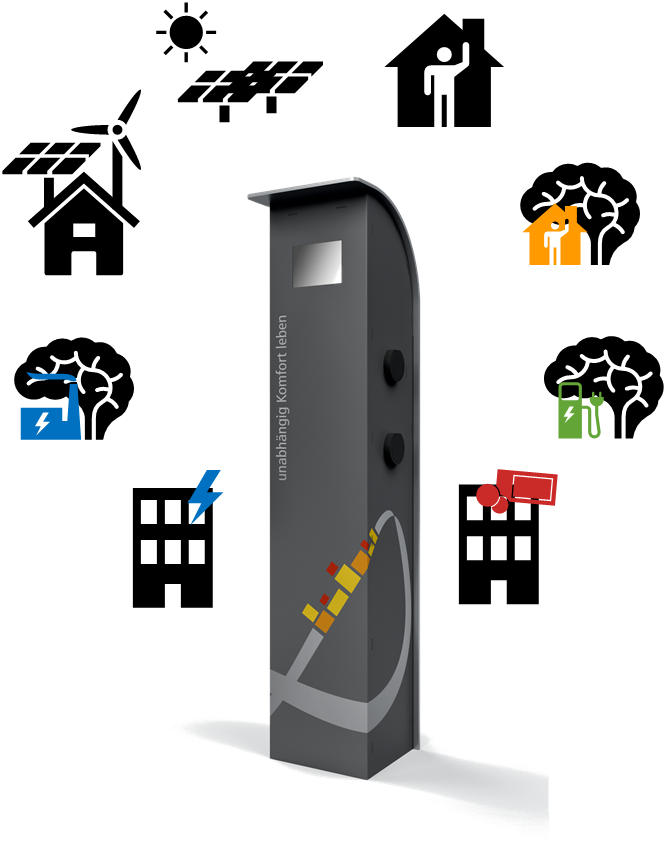
    Electric vehicle charging station
  8. Technology Development and First Applications

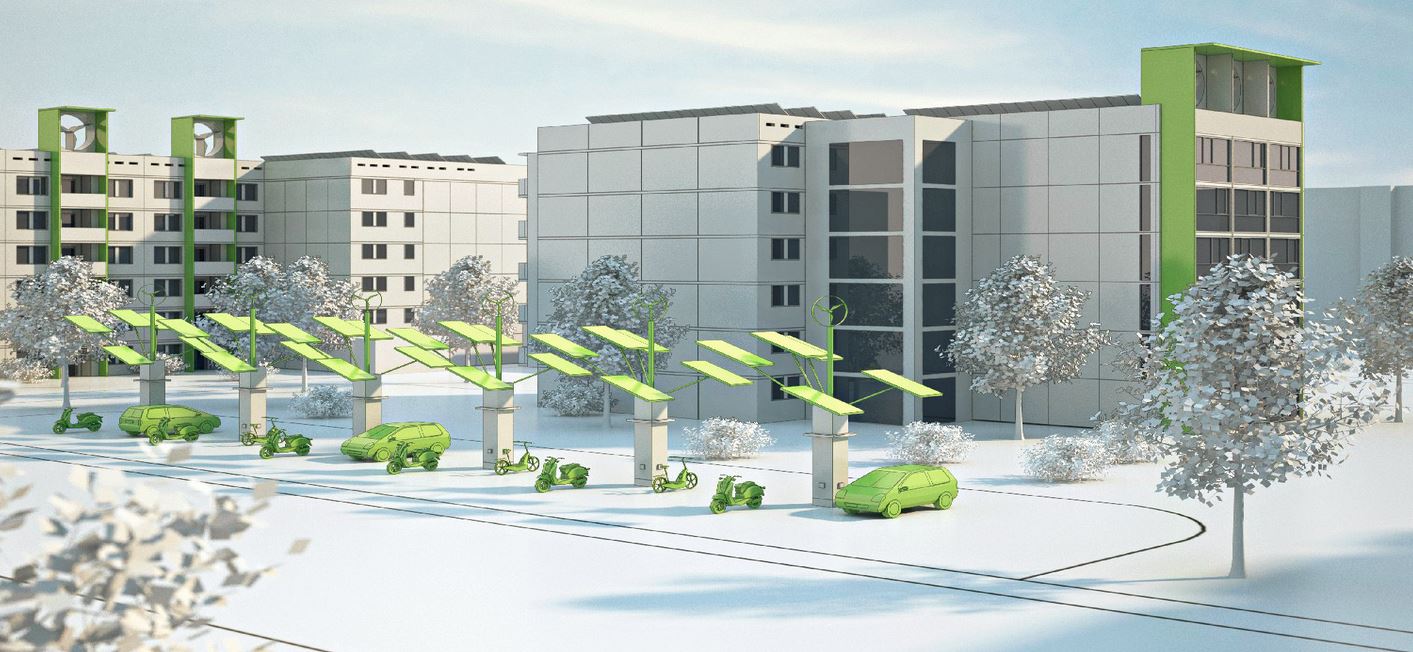
    The concept for the energy retrofit of the Dresden Gorbitz district, built in the 1980s, receives a gold medal from the Federal Ministry of Building and Urban Development in a nationwide competition.

    Development of core technologies for electromobility, building energy management, and energy system simulation in the overarching Residence and Mobility project, together with Torsten Schwan and TU Dresden.

    District energy concept for Dresden Gorbitz

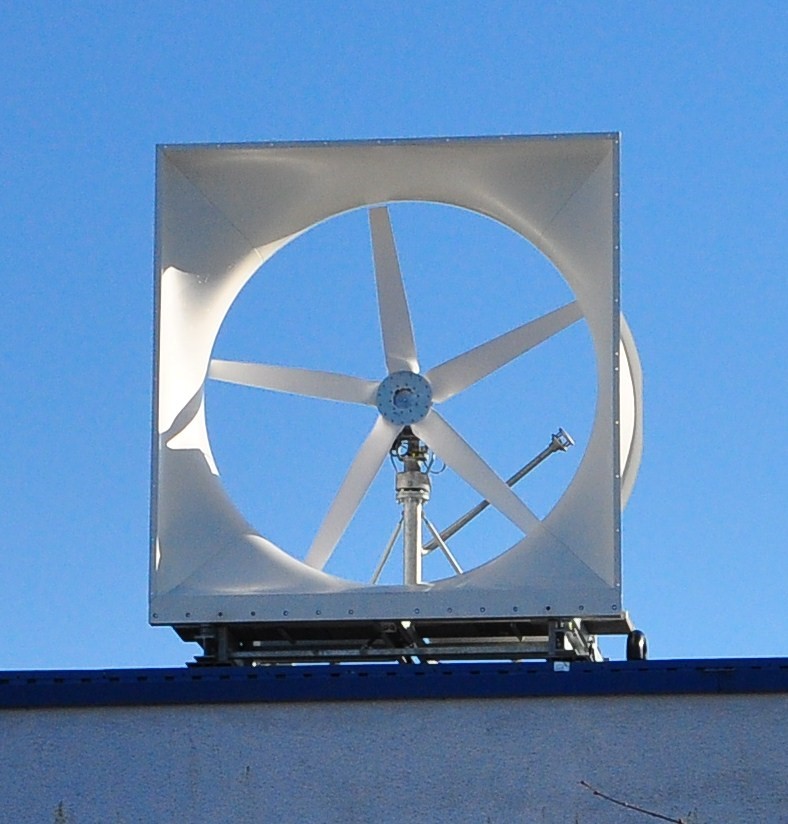
    Extensive development work enables several building-integrated wind turbines to be built and successfully commissioned.

    Building-integrated wind turbine
  9. Reference House

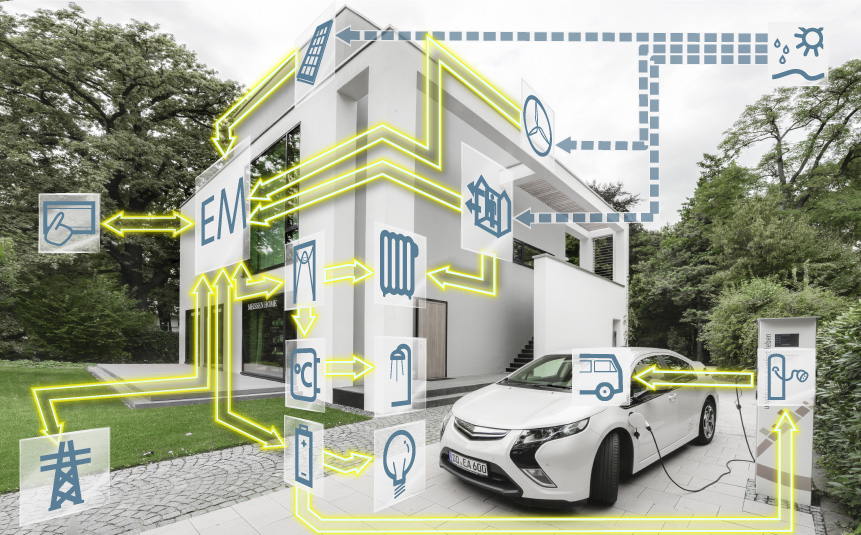
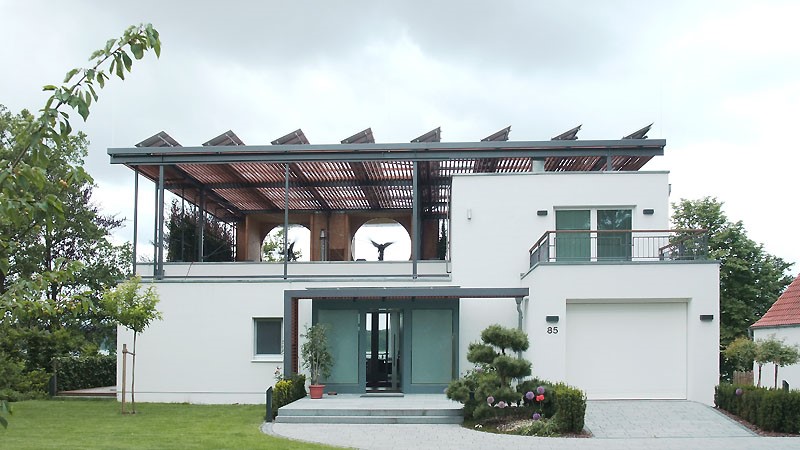
    Completion of the reference house in Bad Saarow with a CO₂ heat pump, long-term thermal storage, a large PV system, and electric vehicle charging facilities. René Unger takes on responsibility for developing suitable energy management and monitoring systems within the company.

    Reference house in Bad Saarow
  10. The Beginnings

    Dr. Mikoleit and Dr. Bodo Wolf establish EA EnergieArchitektur GmbH to combine pioneering architecture with modern decentralized energy supply. Subsequent designs include energy-autonomous luxury homes and long-term thermal storage based on transcritical high-temperature CO₂ heat pumps.

    The pioneering technology first tested in these demonstrators is further developed at Thermea GmbH into large industrial heat pumps. Under the thermeco name, it is now used in highly efficient industrial air dryers and cooling and heating systems.